
A look at the weekly NASCAR Cup Series stock watch after the race at Martinsville, including Ty Gibbs and Team Penske.
Martinsville Speedway delivered another race where track position and execution ultimately dictated the outcome. While the final results of the Cook Out 400 may suggest a competitive battle at the front, the on-track product told a different story.
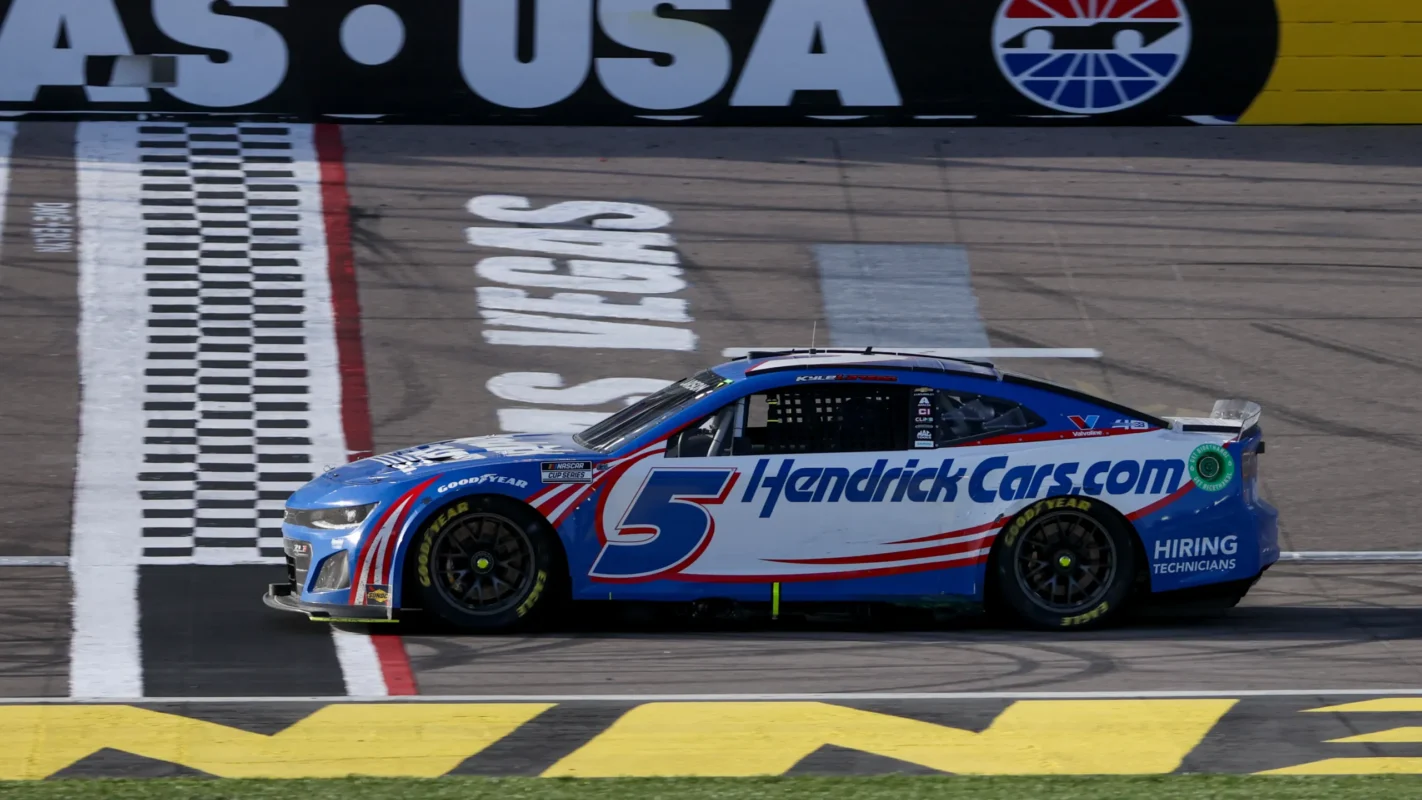
As the NASCAR Cup Series heads into the off week, here’s a look at which drivers and teams are trending up and which ones leave Martinsville with more questions than answers.
NASCAR Cup Series Stock Watch After Martinsville
📈Stock Up
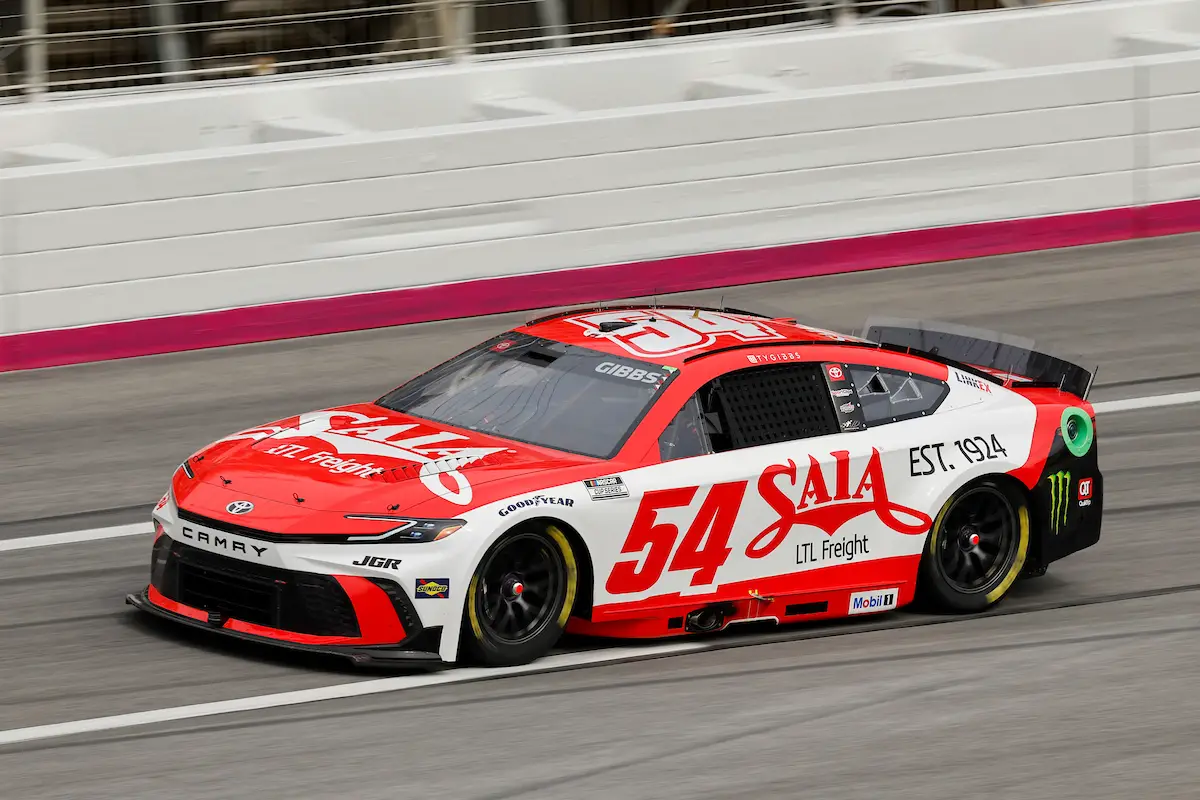
Ty Gibbs
Nothing about Ty Gibbs’ performance at Martinsville did anything to slow his momentum in our weekly NASCAR Cup Series stock watch. If anything, it only reinforced his upward trajectory.
Gibbs qualified fourth for the Cook Out 400 and matched that result with a fourth-place finish. Dating back to the third race of the season at COTA, the No. 54 Toyota has now recorded four top-five finishes in the last five races, with the lone exception being a sixth-place run at Darlington.
That level of consistency has Gibbs sitting sixth in the Cup Series standings heading into the off week. At this rate, it feels less like a matter of if and more like when the 23-year-old breaks through for his first Cup Series victory of the season.
Team Penske
Team Penske has experienced its share of ups and downs through the first seven races of 2026, but Martinsville showcased the organization at its best. All three Penske entries ran near the front and finished inside the top 10.
Joey Logano led the way with a third-place finish, bouncing back from a disappointing showing at Darlington. Ryan Blaney and Austin Cindric also delivered strong results. Meanwhile, Josh Berry added a 10th-place finish in the Penske-affiliated No. 21 for Wood Brothers Racing.
Penske’s strength on short tracks continues a broader trend seen in the Gen-7 era, with Ford teams consistently performing well in this discipline. With Bristol up next, the organization appears well-positioned to remain a major factor.
Shane van Gisbergen
After showing speed at Phoenix, Shane van Gisbergen continues to build momentum on the shorter ovals. His performance at Martinsville added another encouraging data point for a driver still adapting to full-time Cup Series competition.
Starting fifth, SVG maintained track position throughout the race to finish 11th. While passing was extremely limited, his ability to stay competitive on a tight short track stands out for a driver with a road racing background.
Now sitting 14th in the NASCAR Cup Series standings, van Gisbergen has been the most consistent performer for an otherwise underwhelming Trackhouse Racing team. With several road courses still ahead, his trajectory points upward if he can continue to hold his own on ovals.
📉Stock Down
Bubba Wallace
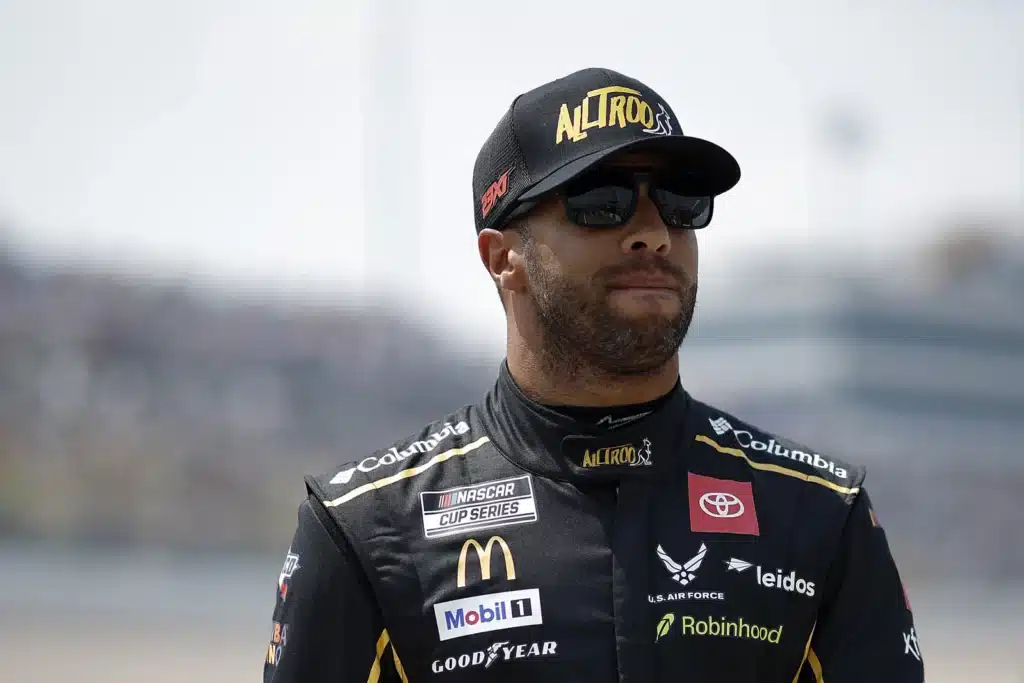
There can be debate about the intent behind the late-race incident involving Bubba Wallace, but the bigger takeaway is that he allowed frustration to dictate the outcome of his race. Whether or not the contact with Carson Hocevar was deliberate, it was the result of a long, frustrating afternoon for the 23XI Racing driver.
Wallace struggled to maintain forward momentum throughout the race, often finding himself stuck in traffic and losing spots on track. The three-wide situation on the restart in the final stage ultimately became the tipping point.
In a format where points carry significant weight, moments like that can have lasting consequences. Martinsville may have tested patience across the field, but Wallace will feel the impact of letting the situation escalate in both the immediate result and the standings picture moving forward.
Chase Briscoe
Chase Briscoe’s 14th-place finish at Martinsville requires a deeper look beyond the box score. While he gained 13 positions — the most of any driver — the bulk of his day was spent trying to recover from a poor starting position.
After qualifying 27th, Briscoe was forced into a race-long climb through the field, frequently hovering on and off the lead lap. Despite the late recovery, he never truly positioned himself to contend alongside the leaders.
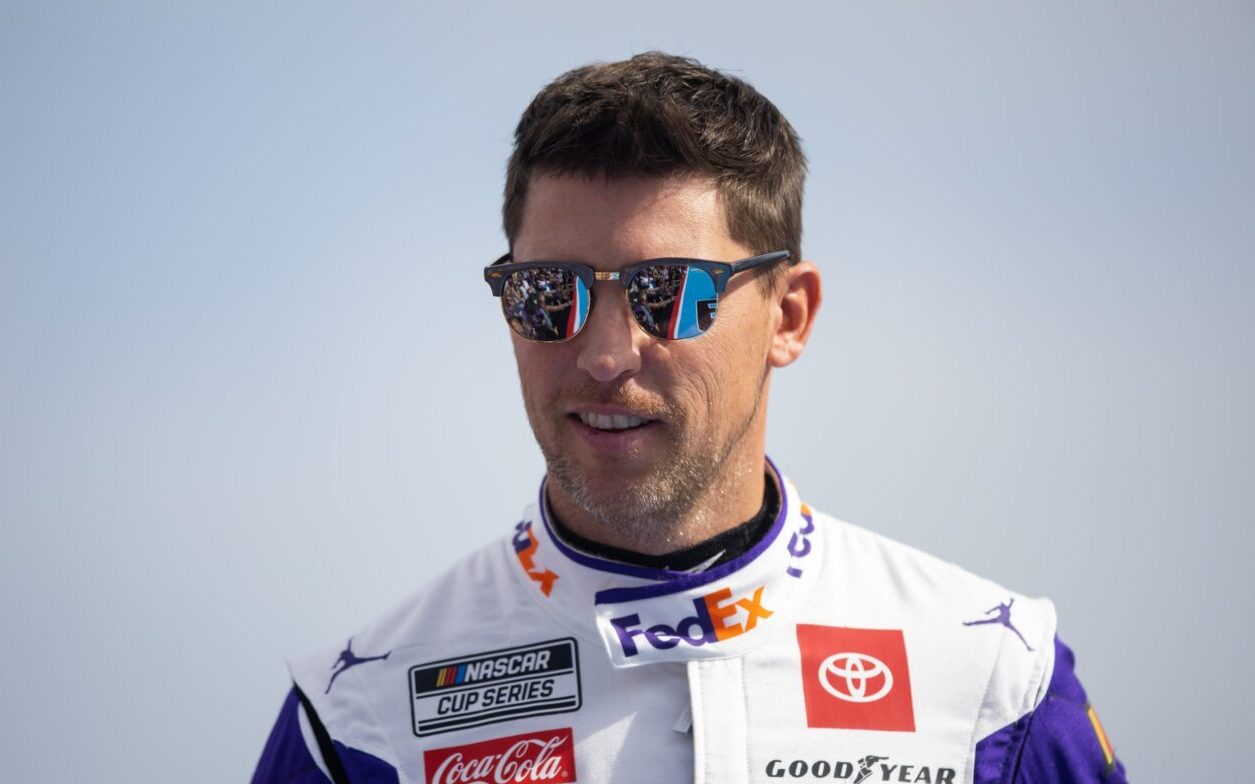
That contrast was especially evident when compared to his Joe Gibbs Racing teammates. With Denny Hamlin controlling the race and the other entries finishing inside the top seven, Briscoe stood out as the lone outlier. The speed may be trending upward, but the execution still needs to follow.
NASCAR Cup Series Racing at Martinsville Speedway
We’ll break format slightly to address the broader takeaway from Martinsville: the Gen-7 car continues to fall short on short tracks. While there was some optimism following the changes that debuted at Darlington, this race served as a reminder that the underlying issues remain.
Passing was extremely limited throughout the field, particularly on long runs where drivers often became locked into position. Track position earned in qualifying dictated the flow of the race, and meaningful movement through the field was largely dependent on pit strategy or restart chaos rather than on-track speed.
Even the finish reflected that dynamic. Denny Hamlin had the fastest car all day, yet was unable to get by Chase Elliott after timing and circumstance shuffled the No. 9 to the front. It wasn’t for a lack of green-flag laps, either. Elliott deserves credit for holding the lead, but the closing stretch ultimately served as a microcosm of the passing issues throughout the race.
At a track known for producing some of the sport’s most compelling racing, the current product continues to raise questions about whether the Gen-7 car can truly deliver at Martinsville.